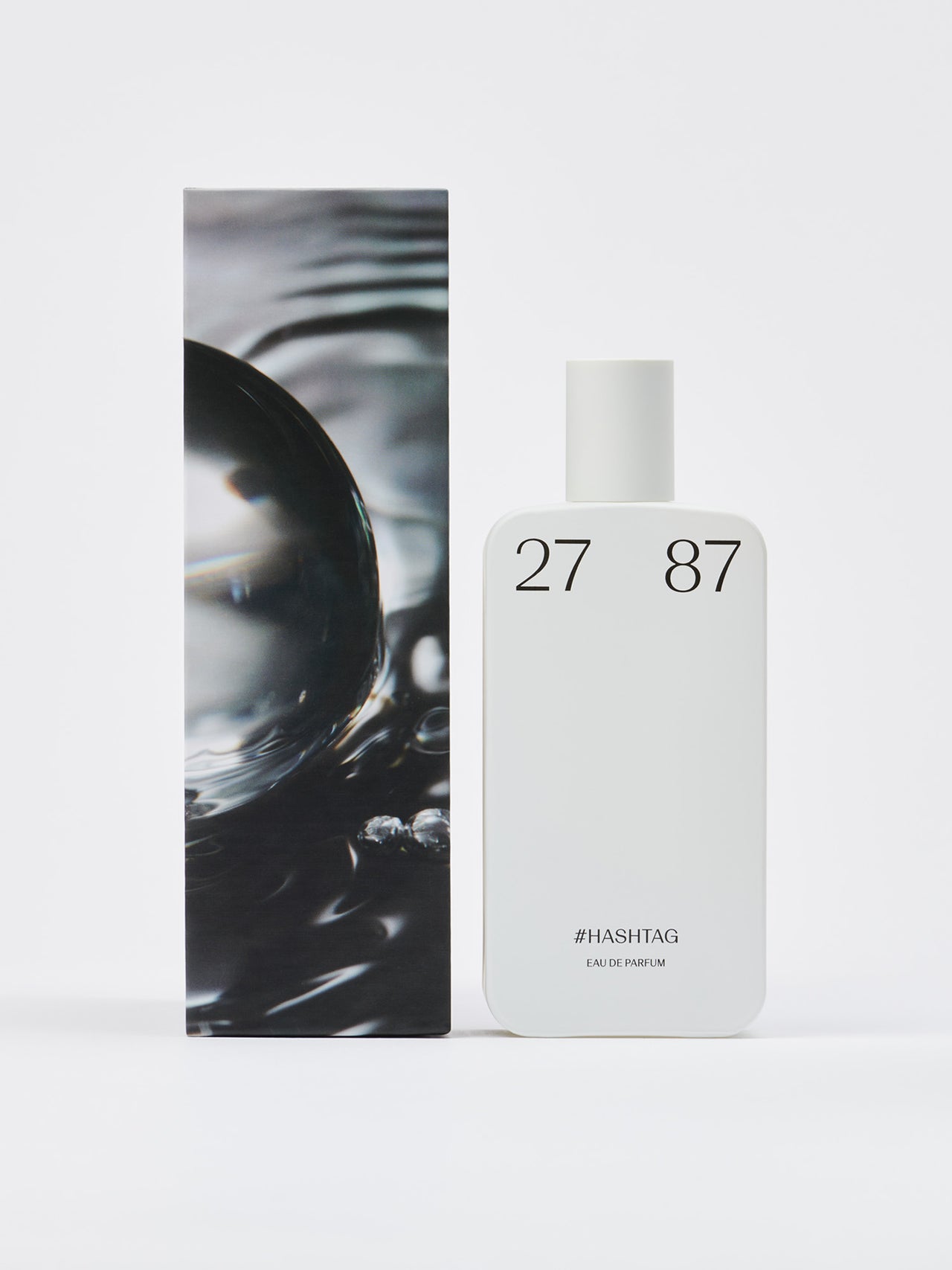
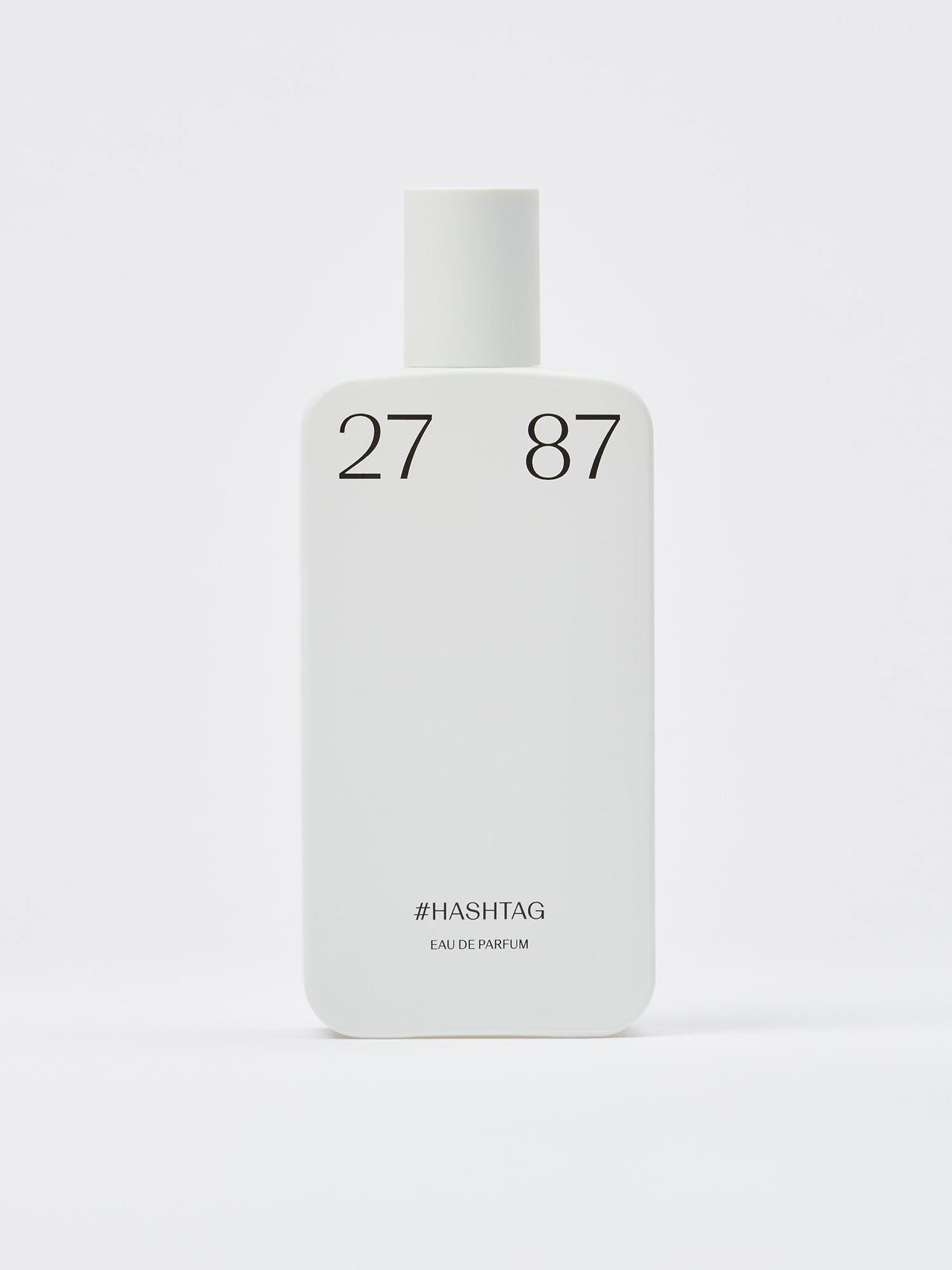
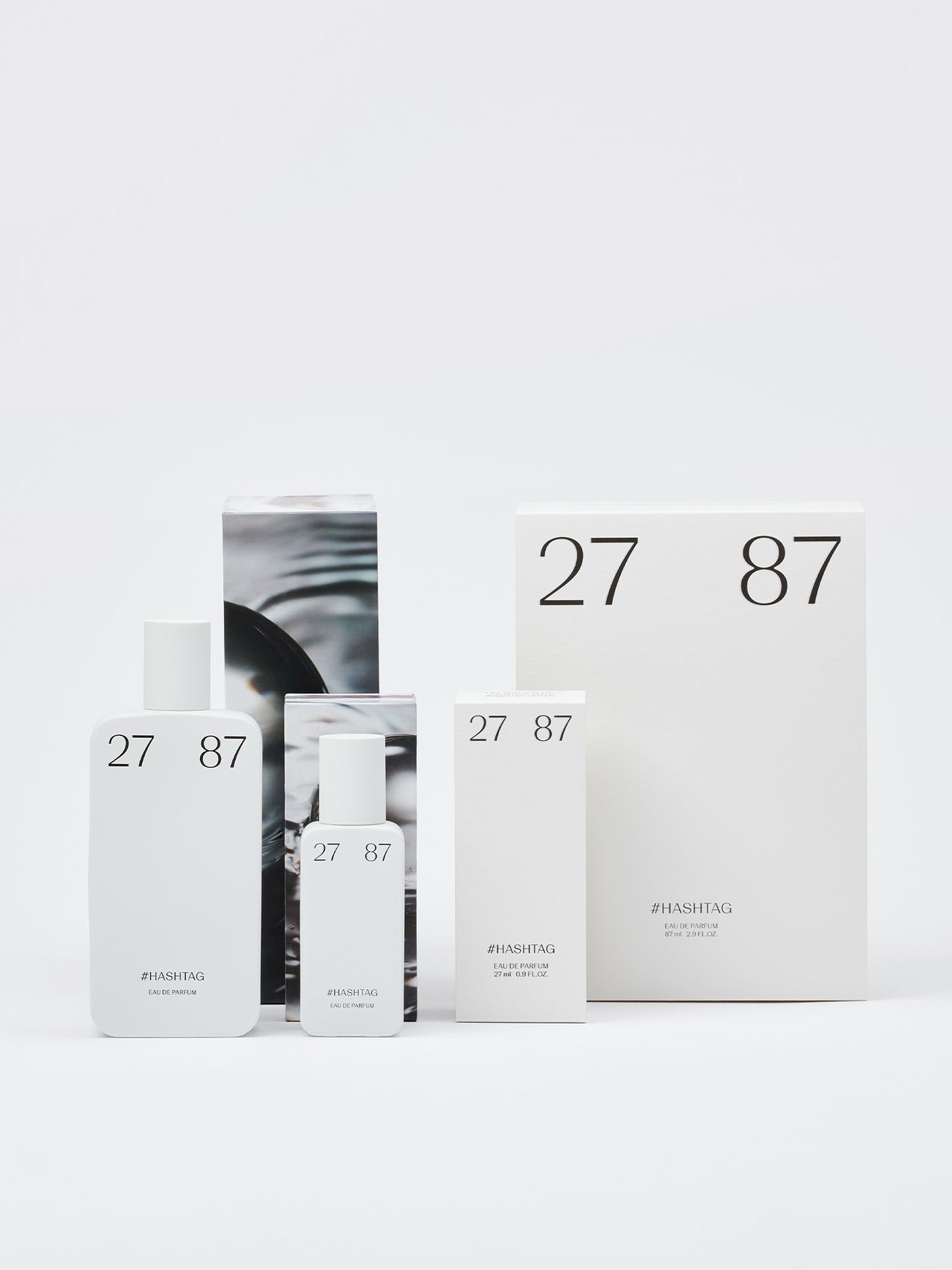
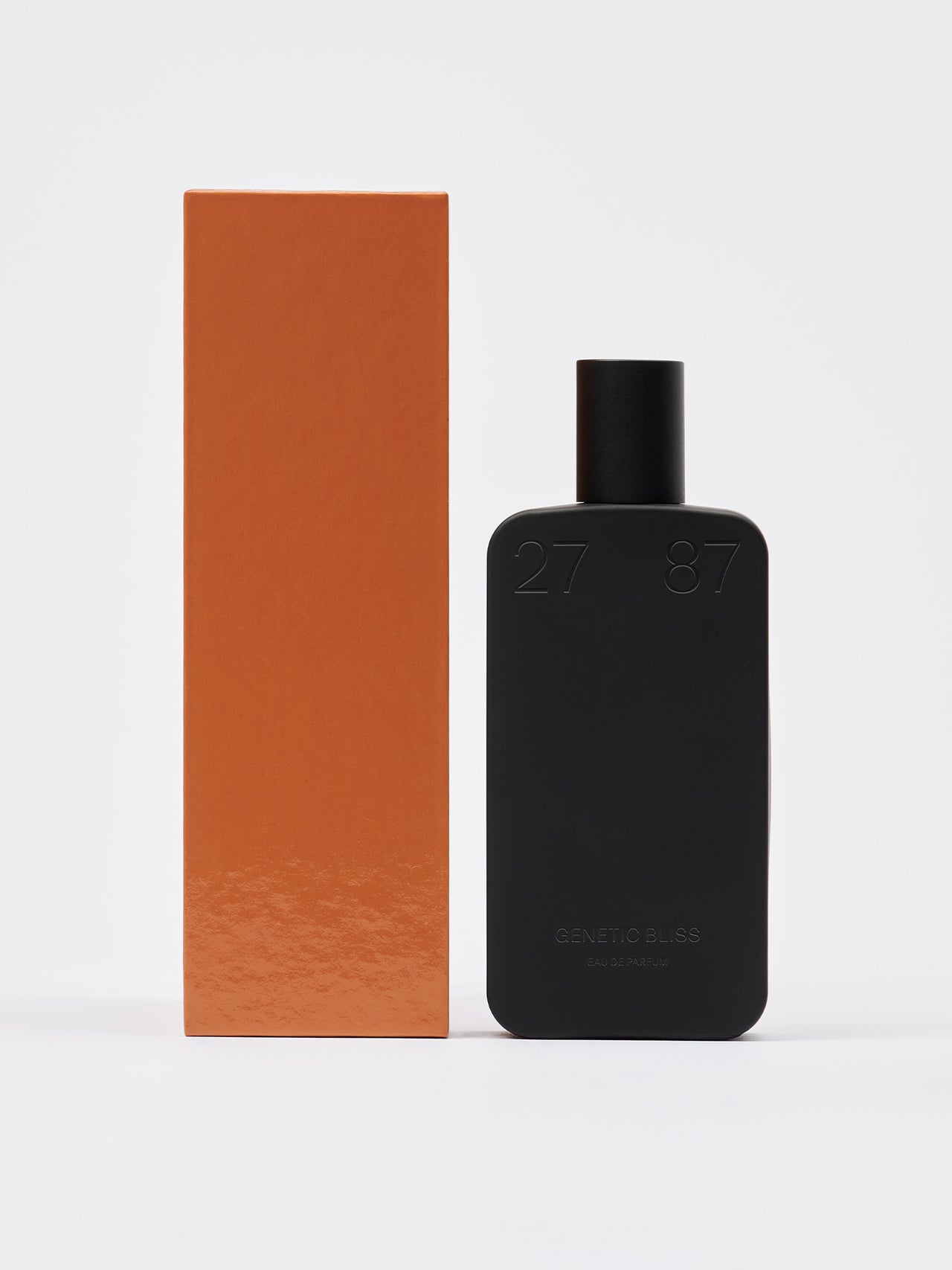
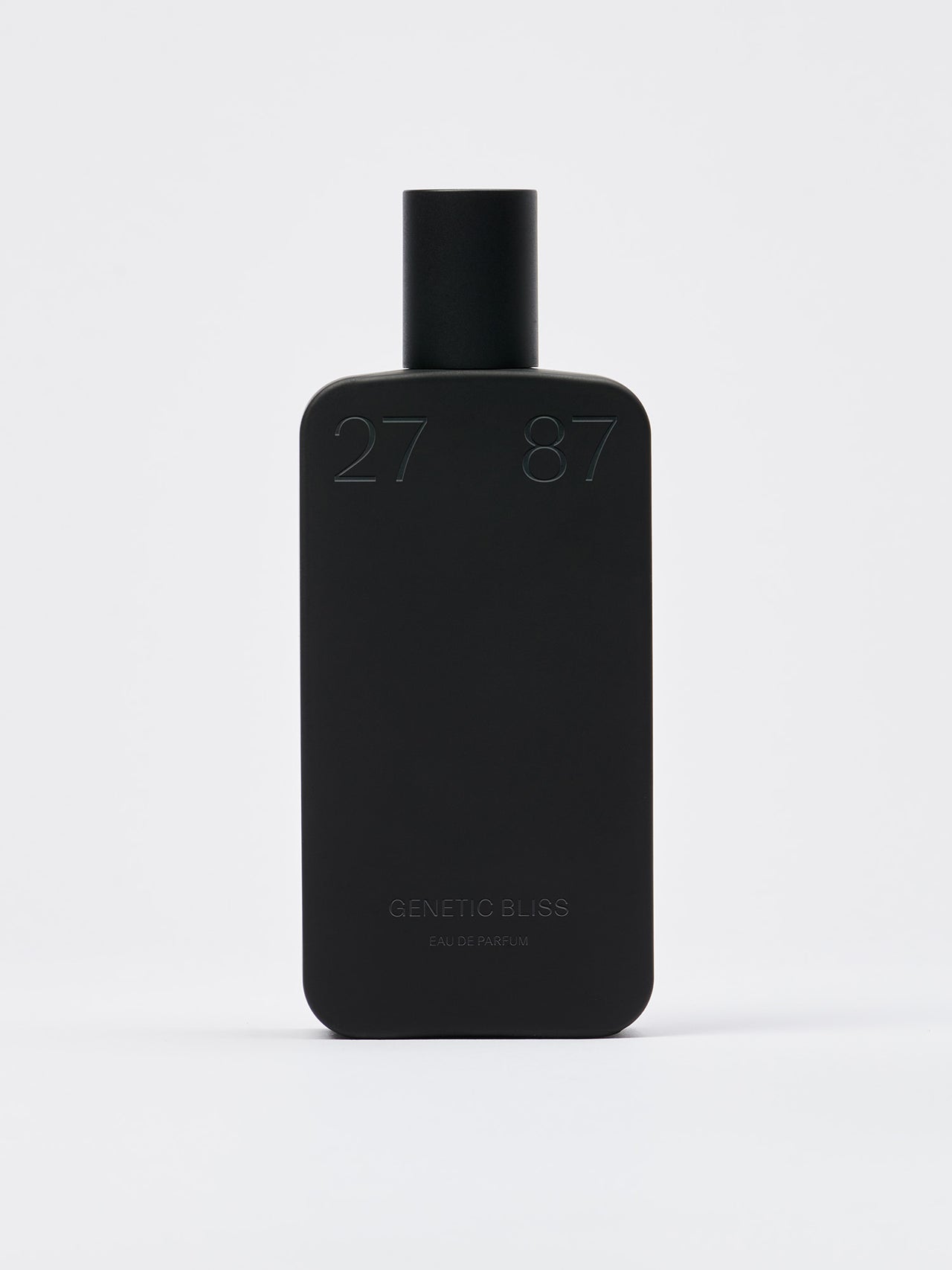
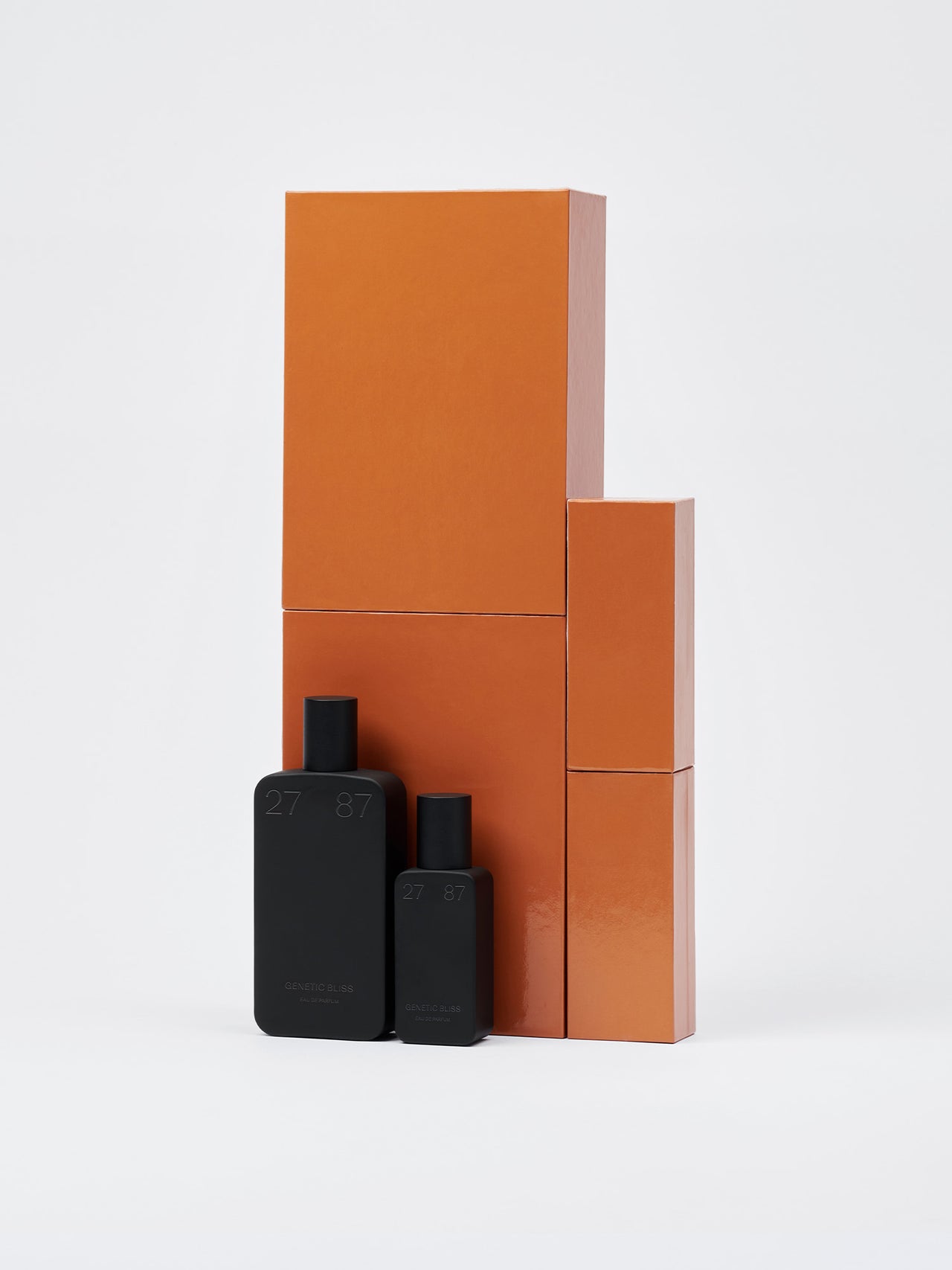
Ten years in, 27 87 resists the instinct to look back. In this conversation, founder Romy reflects on building a brand in motion — shaped by instinct, defined by the present, and still very much unfinished.
27 87: Ten years in usually comes with a lot of looking back. Did you feel any pressure to do that — or did you resist it?
ROMY: Surprisingly, it doesn’t feel like ten years. It still feels like we’re at the very beginning — like the first chapter of a story that’s just getting exciting. When you’re in the middle of a creative phase, time becomes relative. It blurs. Ten years feels more like a milestone than a moment for reflection. Looking back is something you do at 25 or 50 years. Right now, I’m focused on what’s ahead — creating moments and encounters I’ll look back on later. That said, working on events and archival projects brings me face to face with people who’ve been with the brand from day one. They pause and say, “Ten years already?” And in those moments, I remember how it started — literally from my living room, delivering products from my car — and how far the brand has come. Now we’re opening new locations, expanding into different continents, navigating challenges I couldn’t have imagined back then. It’s a different dimension. And even though daily life is busy solving the next problem, I keep thinking about what comes next — and that feels just as exciting as the beginning.
27 87: When you think about the first moment 27 87 felt “real,” is it something you remember clearly — or has it already turned into a story?
ROMY: I remember that moment very clearly — it hasn’t turned into a story yet. At the time, I was working at a law firm and using every free second to call suppliers who were used to working with big names like PUIG, LOEWE, or ZARA. I kept repeating the name: “27 87.” And no one knew it. Just blank stares. At some point, something shifted. It stopped being about my birthday and became something with its own identity — something real. That’s when I felt the brand had arrived, at least for me. Friends and family took a bit longer to catch on. But seeing the perfumes in stores changed that quickly.

ROMY: Passion.
Pure, relentless passion. Everything else—ideas, people, even happy accidents—flows from that. Habits? Not really. Without that energy and drive at the core, nothing else sticks.
27 87: The Archive Edition isn’t a look back at finished products, but a release of unpublished scent creations from the last ten years. Did it feel more like opening a drawer — or making a decision about what deserved to exist now?
ROMY: It was all about decisions — many of them. Choosing just seven scents from years of experimentation felt like curating a hidden gallery. Each fragrance had its own story, its own personality, and I had to decide which ones were ready to step into the world. It wasn’t about opening a drawer. It was about giving them the chance to exist now.
27 87: Did any of the unreleased scents feel interesting, but no longer necessary?
ROMY: “Iceberg” was a concept I developed in 2019—I wanted to create a crisp, airy fragrance. Over time, however, similar ideas have been explored by other brands, and it no longer feels distinctive. It also doesn’t quite fit the refined, luxurious identity of our fine fragrance collection, so it wasn’t a scent that should move forward.

ROMY: If I’m honest, the decision that felt right at the time—but gave me some tough lessons—was to focus on action over process. In the early days, we kept things simple and moved fast, but we didn’t formalize things like warehouse insurance or quality control. That speed came at a cost — a major theft at the warehouse, production issues, returns. They were difficult moments, but also essential. They taught me how to build systems that protect the brand without losing its agility.
27 87: How much of 27 87’s journey was intentional, and how much was shaped by saying no to things along the way?
ROMY: 27 87’s journey has been entirely intentional. I’ve always imagined it as something relevant and enduring, and that vision has guided every choice—including the no’s. I’ve turned down commercial, distribution, and PR opportunities because scale was never the goal. The brand could have gone in a more commercial direction, but I wanted it to be a long-term project and a reference point for modern artistic perfumery—a deliberate creation, step by step.
27 87: The perfume industry moves in cycles. Do you feel 27 87 has followed them — or ignored them?
ROMY: We’ve never really followed cycles but we’ve also never positioned ourselves against them deliberately. From the beginning, there was a conscious decision to act outside of that rhythm. We are an independent brand and that was always at the core of my believe. In our brand manifesto we describe it as being “arrhythmic”. Like, not repeating patterns just because they exist, but allowing decisions to come from the moment itself. The industry moves in waves, and that can be interesting to observe. But it was never something we felt we should align with. Working this way creates space for spontaneity and independence.

ROMY: Honestly, it hasn’t. Its patterns and predictability are exactly what inspired 27 87—to do something different, to avoid repeating what’s already been done. What still surprises me, however, is how consistent that predictability remains, even today. And in a way, that very predictability is what has allowed the brand to find its own path.
27 87: If someone discovered 27 87 today, what would you want them not to misunderstand about it?
ROMY: That it’s not just another niche brand trying to be cool. The focus has always been — and will always be — on the scent itself. The product comes first. True luxury is in the fragrance, not in the packaging, not in the marketing, not in the PR strategy. We will never put anything ahead of the quality of the perfume.
27 87: After ten years, what still feels unfinished?
ROMY: Everything. There’s always more to explore in olfactive experiences, in educating people about what true luxury really means in perfumery or general, and in communicating the essence of the brand. Raising awareness, sharing knowledge, and creating meaningful experiences—those are journeys I haven't had the chance to focus on so far and what keeps me excited for the future.

ROMY: Completely. While the objective is clear, the path isn’t fixed—and that’s intentional. There’s so much to explore: letting customers experience scents differently, creating immersive olfactive experiences, educating them on what makes a fragrance truly high-quality, and helping them decide if a scent resonates with them—free from cultural assumptions or bias. The next chapter is about discovery, experimentation, and redefining how perfume is experienced.
27 87: If this interview were read ten years from now, what would you hope still feels true?
ROMY: The product always comes first—that’s the foundation of everything we do. But beyond that, not everything needs to be mapped out in advance. Some of the best discoveries happen when you leave room for the unexpected, when you allow ideas and experiences to unfold naturally. We follow the flow of creativity, guided by intuition, letting the work evolve in real time. That approach keeps the brand alive, authentic, and constantly evolving—it’s what allows us to remain true to our vision while still surprising ourselves and our customers along the way.